The Everest region in Nepal is renowned for its stunning landscapes, including some of the world’s highest peaks, and is a popular destination for trekkers and mountaineers. Here are some key points about the Everest region:
Mount Everest:
The Everest region is home to Mount Everest, the world’s highest peak, standing at 8,848 meters (29,029 feet) above sea level.
Climbers from around the world aspire to conquer Everest, and the trek to Everest Base Camp is a popular adventure for trekkers.
Sagarmatha National Park:
The majority of the Everest region falls within Sagarmatha National Park, a UNESCO World Heritage Site.
The park is known for its diverse flora and fauna, including elusive species like the red panda and snow leopard.
Trekking Routes:
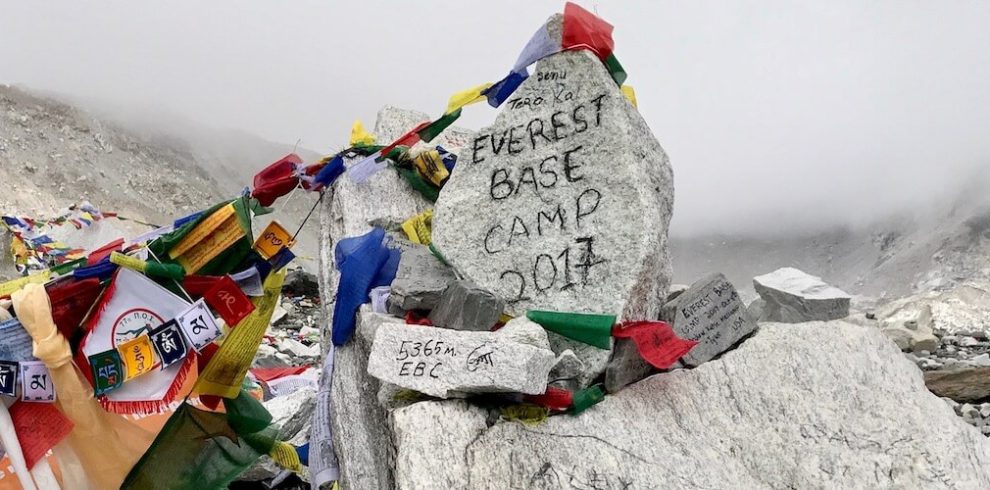
The most famous trekking route in the region is the Everest Base Camp Trek. This trek takes trekkers through picturesque Sherpa villages, lush forests, and high-altitude landscapes, eventually reaching Everest Base Camp.
Other popular treks in the region include the Gokyo Lakes Trek, Everest Three Passes Trek, and the classic Jiri to Everest Base Camp Trek.
Sherpa Culture:
The region is inhabited by the Sherpa people, known for their unique culture, hospitality, and mountaineering expertise.
Villages like Namche Bazaar, Tengboche, and Khumjung offer insights into Sherpa traditions and provide opportunities for cultural exchange.
Tenzing-Hillary Airport:
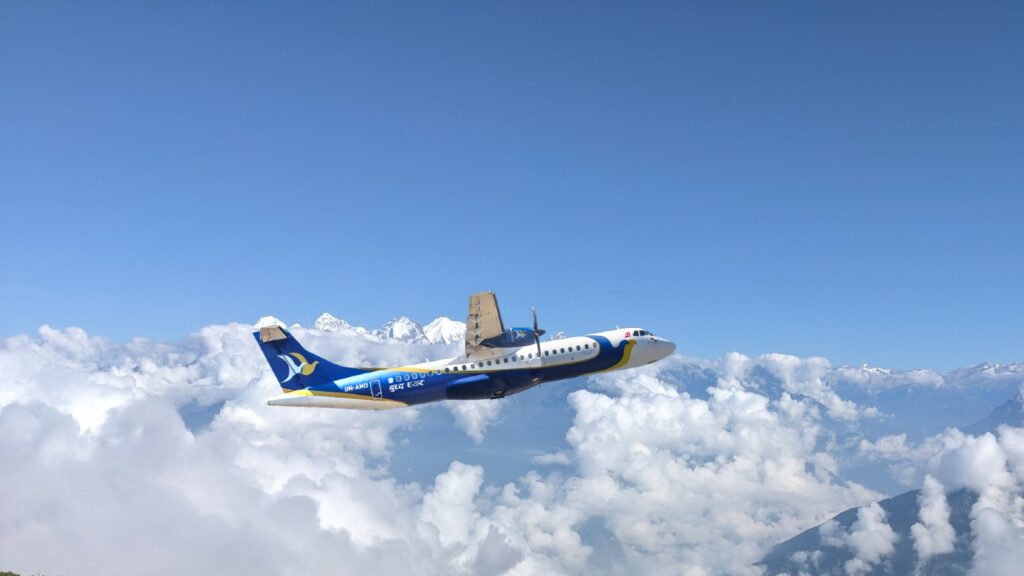
Lukla Airport, officially named Tenzing-Hillary Airport, is considered one of the most dangerous airports in the world. It serves as the gateway to the Everest region, with flights operating from Kathmandu.
Tea Houses and Accommodation:
Trekkers can find accommodation in tea houses along the trekking routes. These are basic lodges that provide meals and shelter for trekkers.
Flora and Fauna:
The lower elevations of the Everest region feature lush rhododendron forests, while the higher elevations are characterized by alpine vegetation.
Wildlife in the area includes Himalayan tahr, musk deer, and various bird species.
Challenges:
The high altitudes and challenging terrain pose physical challenges to trekkers and climbers. Acclimatization is crucial to prevent altitude sickness.